
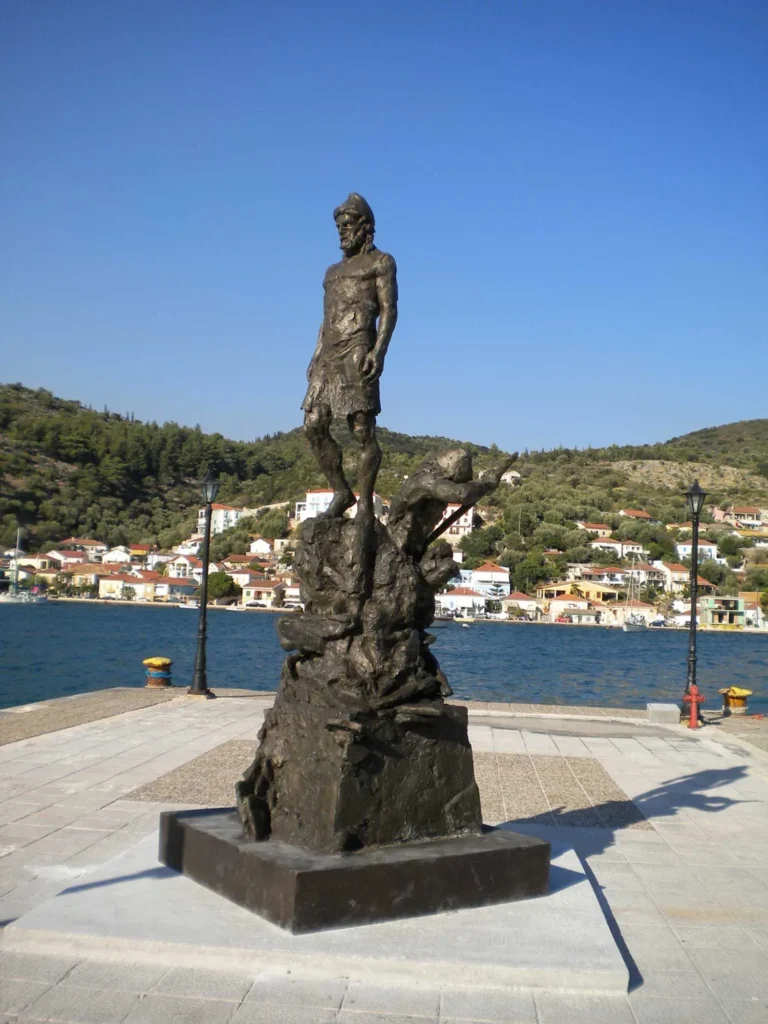
The history of Ithaca, the island home of Odysseus, is one of the most famous in Greece, not for its present but for its antiquity and mythology. The epics of Homer are its legacy and have kept Greek and foreign scholars busy for many years.
The History of Ithaca in Homer’s Epics
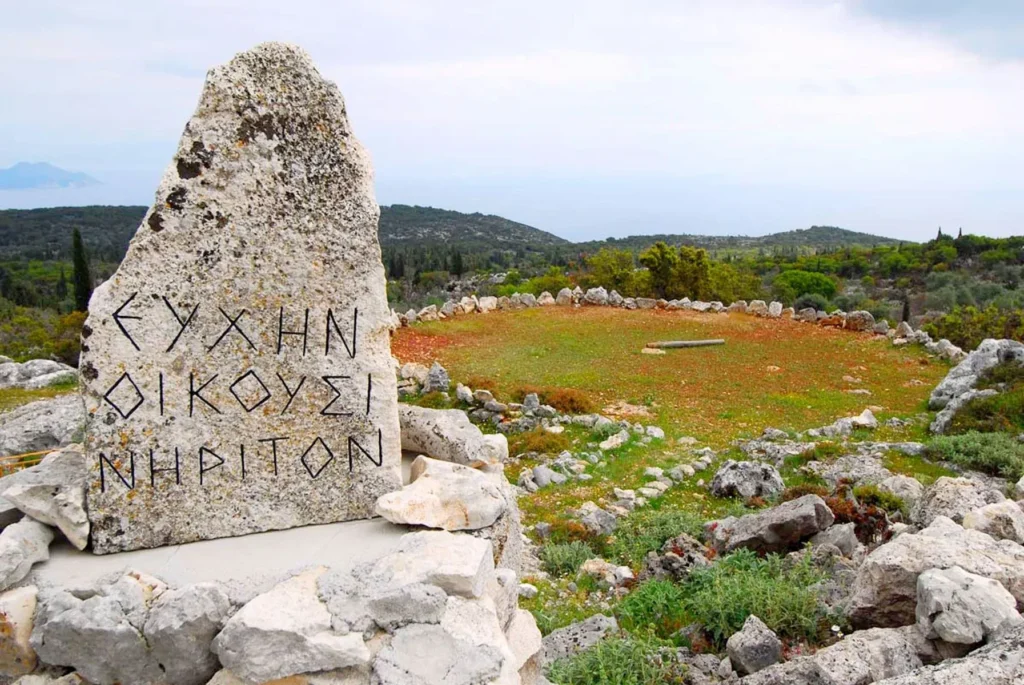
Apart from Homer, older writers such as Acusilaus tell us that Ithacus, Neritus and Polyctor were the three sons of King Pterelaus, a descendant of Zeus. Penelope, the wife of Odysseus, was the daughter of Icarius and Polycaste. The Iliad and the Odyssey made the great history of this place known to the whole world, and the centuries of invaders that followed left the names of its places unchanged to this day.
From Prehistory to the Romans
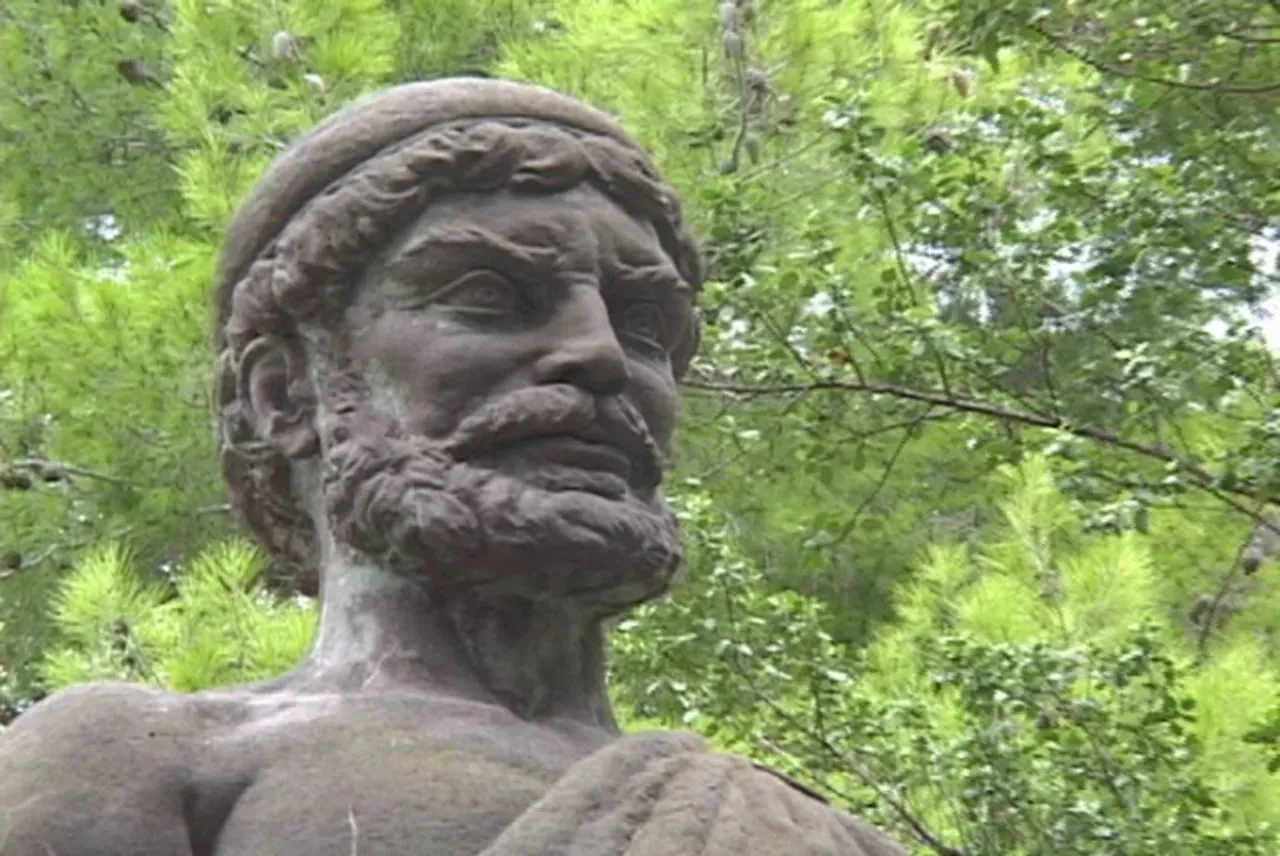
Ithaca has been inhabited since the Neolithic period (4000–3000 BC), as shown by the finds from the excavations in the Cave of Loizos and at Pilikata. According to scholars, the Odyssey begins in 1174 BC with the return of Odysseus to Ithaca after ten years of wandering, and it mentions places such as the Cave of Eumaeus and the Cave of the Nymphs. Odysseus reigned until his death and was succeeded by his son Telemachus.
From 1000 to 800 BC the island was conquered by the Dorians and then by the Corinthians, until 180 BC, when it passed to the Romans.
Byzantines, Venetians and French
The Romans stayed on the island until 394 AD, when most of the inhabitants lived in the north. From 394 AD Ithaca became part of the Byzantine Empire, which spread Christianity and built churches and monasteries. In 1185 the island was conquered by the Normans, in 1204 it passed to the Orsini, in 1357 to the Angevins and in 1479 to the Turks, who looted it and killed many of its inhabitants.
The Turkish occupation lasted until 1503, when the island passed to the Venetians, who ruled until 1797. The inhabitants of Paleochora moved to Anogi, Exogi and Vathy, which became the capital of the island. In 1797 came the first French occupation, in 1799 a short Russian-Turkish rule and then the French again. Although short, French rule had a positive influence: the ideas of freedom and equality of the French Revolution revived the sense of freedom and homeland among the people of the Ionian Islands.
British Rule and Union with Greece
In 1809 the period of British rule began, and the independent ‘United States of the Ionian Islands’ was founded, governed under a constitution by the Ionian Parliament. Interest in Homeric Ithaca was revived, the economy grew and social life improved. On 21 May 1864, thanks to the Radicals and the international political situation, the Ionian Islands were united with Greece.
The 20th Century
In more recent history an Ithacan community was founded in Romania, and with the beginning of the 20th century the island was modernised: public buildings and new roads were built, the power station of Vathy started working in 1923, shipping grew and cultural life flourished. In 1953, however, an earthquake struck the island and destroyed most of its towns and villages. With the help of the state and of Ithacan emigrants, a successful reconstruction followed.